

Know Your Parameter: Sorrel Leaves (Khatta Bhaji)
- Zeenat Khalil
- Jun 9, 2025
- 3 min read

Updated: Dec 30, 2025
Introduction
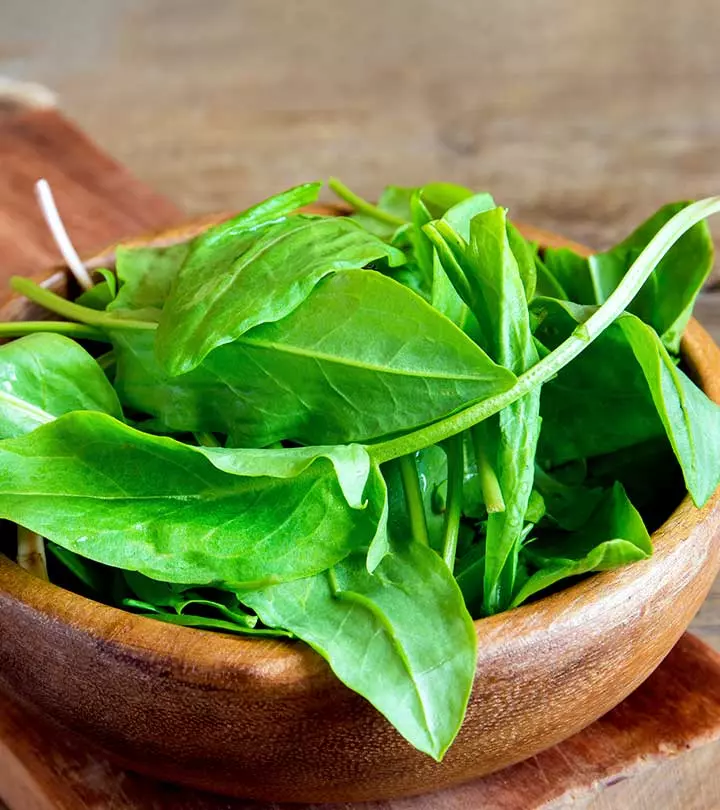
Sorrel leaves are not only known for their distinct sour-tasting profile but also for their versatility in culinary applications. These vibrant greens are commonly utilized in a variety of dishes, particularly in chutneys and curries across India, where they add a refreshing tartness that enhances the overall flavor of the meal. Sorrel, belonging to the Polygonaceae family, is characterized by its arrow-shaped leaves, which can vary in color from bright green to reddish hues. The unique flavor of sorrel is often compared to that of lemon or vinegar, making it a popular ingredient for those looking to add a zesty kick to their cooking.
Key Nutritional Components and Benefits
Rich in vitamin C – Sorrel leaves are an excellent source of vitamin C, a vital nutrient that plays a crucial role in boosting the immune system. This powerful antioxidant helps protect the body against free radicals, supports the production of collagen, and enhances the absorption of iron from plant-based foods, making it an essential part of a balanced diet.
Oxalic acid – The presence of oxalic acid in sorrel gives it its characteristic tangy flavor. This compound not only contributes to the unique taste profile of the leaves but also offers antioxidant benefits, which can help reduce inflammation and combat oxidative stress in the body. However, individuals prone to kidney stones should consume sorrel in moderation due to its oxalate content.
Fiber – Sorrel is a good source of dietary fiber, which is essential for maintaining a healthy digestive system. Fiber aids in regular bowel movements, helps to prevent constipation, and promotes a feeling of fullness, which can be beneficial for weight management. Additionally, a diet high in fiber is associated with a lower risk of various chronic diseases, including heart disease and type 2 diabetes.
Health Benefits
Supports detoxification – The natural compounds found in sorrel, including its high water content and diuretic properties, can aid the body in flushing out toxins. Regular consumption of sorrel may help promote liver health and enhance the body's detoxification processes, making it a valuable addition to a cleansing diet.
Improves digestion – Thanks to its fiber content, sorrel can significantly improve digestive health. The fiber helps regulate bowel movements and can alleviate symptoms of digestive disorders such as bloating and constipation. Furthermore, the tangy flavor of sorrel can stimulate the production of digestive juices, enhancing overall digestion and nutrient absorption.
Boosts immunity – With its rich vitamin C content, sorrel plays a vital role in strengthening the immune system. Regular intake of vitamin C is essential for the production of white blood cells, which are crucial for fighting off infections. Additionally, the antioxidants present in sorrel contribute to overall health by reducing inflammation and supporting the body’s ability to ward off illnesses.
Easy Recipes with Sorrel Leaves
Sorrel leaves, with their tangy flavor and vibrant green color, can elevate a variety of dishes. Here are five easy Indian recipes that incorporate sorrel leaves, allowing you to enjoy their unique taste while exploring traditional flavors:
Palak Chaat: A delightful snack where crispy sorrel leaves are topped with yogurt, chutneys, and spices.
Sorrel Dal: A comforting lentil dish cooked with sorrel leaves, spices, and tempered with mustard seeds.
Sorrel Pulao: A fragrant rice dish made with basmati rice, sorrel leaves, and a blend of spices.
Sorrel Thepla: A nutritious flatbread made with whole wheat flour and finely chopped sorrel leaves, perfect for breakfast or lunch.
Sorrel Soup: A light and refreshing soup made with sorrel leaves, tomatoes, and spices, ideal for a warm day.
References
Naik, A. (2023). Tangy Greens in Indian Diet. Traditional Nutrition Insights, 28(3), 122-130.


