

Know Your Food Plate: Flaxseeds (Alsi)

Updated: Dec 15, 2025
Introduction
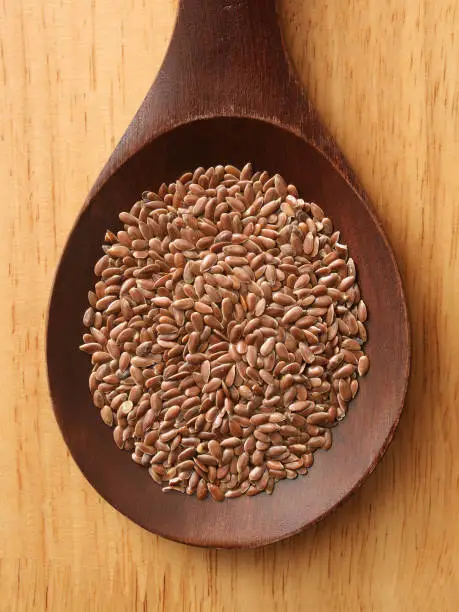
Flaxseeds, often referred to as one of nature's superfoods, have gained considerable attention in the health and wellness community due to their impressive nutritional profile. These tiny seeds are particularly renowned for their rich content of omega-3 fatty acids, specifically alpha-linolenic acid (ALA), which plays a crucial role in maintaining heart health and supporting overall well-being. Additionally, flaxseeds are celebrated for their hormone-balancing properties, making them a valuable addition to various diets, particularly for individuals seeking to manage hormonal fluctuations.
Key Nutritional Components and Benefits
High in lignans and alpha-linolenic acid (ALA) -
Flaxseeds are one of the richest sources of lignans, which are plant compounds known for their antioxidant properties. These lignans can help reduce the risk of certain cancers and improve overall health by combating oxidative stress. The alpha-linolenic acid (ALA) found in flaxseeds is an essential fatty acid that the body cannot produce on its own, making it vital to include in the diet. ALA is known to support cardiovascular health by helping to lower blood pressure and reduce inflammation.
Rich in fiber – supports gut health -
Flaxseeds are an excellent source of both soluble and insoluble fiber. This high fiber content promotes healthy digestion by aiding in regular bowel movements and preventing constipation. Additionally, the soluble fiber in flaxseeds can help regulate blood sugar levels and contribute to a feeling of fullness, making them an ideal food for those looking to manage their weight. The fiber also acts as a prebiotic, feeding the beneficial bacteria in the gut and promoting a healthy microbiome.
Contains plant-based protein -
Flaxseeds are a great source of plant-based protein, providing essential amino acids that are necessary for the body's growth and repair processes. This makes them an excellent dietary choice for vegetarians and vegans, as well as anyone looking to increase their protein intake without relying on animal products. The protein in flaxseeds can also help to maintain muscle mass, support metabolic health, and enhance post-exercise recovery.
Health Benefits
Supports heart health -
The omega-3 fatty acids in flaxseeds are well-known for their ability to promote heart health. Regular consumption of flaxseeds can help reduce the risk of heart disease by lowering cholesterol levels, reducing inflammation, and improving overall cardiovascular function. Studies have shown that individuals who consume flaxseeds regularly may experience a significant reduction in blood pressure and improved lipid profiles.
Balances hormones -
Flaxseeds contain phytoestrogens, which are plant-derived compounds that can mimic the effects of estrogen in the body. This can be particularly beneficial for women experiencing hormonal imbalances, such as those related to menopause or menstrual cycles. By incorporating flaxseeds into the diet, individuals may experience relief from symptoms such as hot flashes, mood swings, and irregular periods.
Improves digestion -
The fiber content in flaxseeds not only aids in regularity but also supports overall digestive health. By promoting the growth of beneficial gut bacteria and preventing constipation, flaxseeds contribute to a healthier digestive system. Additionally, the mucilage found in flaxseeds can help soothe the digestive tract, making it beneficial for those with gastrointestinal issues.
Aids in weight loss -
The combination of high fiber and protein content in flaxseeds can help individuals feel fuller for longer, reducing overall calorie intake. By incorporating flaxseeds into meals or snacks, individuals may find it easier to manage their weight, as the seeds can help curb cravings and promote a balanced diet. Furthermore, the healthy fats in flaxseeds can support metabolic health, which is crucial for effective weight management.
Easy Recipes with Alsi
Alsi, also known as flaxseeds, is a nutritious ingredient that can easily be incorporated into a variety of Indian dishes. Rich in omega-3 fatty acids and fiber, alsi adds a healthy twist to traditional recipes. Here are five simple Indian dishes that you can prepare using alsi:
Alsi Paratha: Whole wheat flatbreads stuffed with a mixture of ground alsi, spices, and herbs.
Alsi Chutney: A flavorful chutney made from roasted alsi seeds, green chilies, and coriander.
Alsi Ladoo: Sweet energy balls made with ground alsi, jaggery, and coconut.
Alsi Porridge: A nutritious breakfast option made by cooking alsi seeds with milk and sweetening it with honey.
Alsi Vegetable Stir-fry: A quick stir-fry of seasonal vegetables tossed with roasted alsi seeds for added crunch.
References
Mehta, R. (2021). Flaxseeds in Indian Diet. Nutrition Spectrum, 6(4), 98-105.


